Specialist Vet Services for Wildlife & Exotic Animals
Vet Care for Exotic Animals & Wildlife
Hammett Street Veterinary Surgery, located in Currajong, QLD, and supporting pet owners throughout Townsville, QLD, provides specialised veterinary care for exotic animals and wildlife species requiring unique medical knowledge and environmental health management. Exotic animal medicine requires a detailed understanding of species-specific anatomy, behaviour and nutritional requirements because reptiles, birds and small mammals often present different medical challenges compared to traditional companion animals.
The veterinary team includes professionals with a strong interest in avian, reptile and pocket pet medicine. Specialist knowledge is important because exotic animals frequently conceal symptoms of illness until disease progression becomes advanced. Early veterinary assessment is therefore highly recommended whenever behavioural or physical abnormalities are observed.
Owners of exotic pets are encouraged to bring information about their animal’s diet, enclosure setup and daily behaviour patterns during consultations. Environmental factors often play a significant role in exotic animal health, and veterinary advice will typically include husbandry recommendations.
Veterinary Care for Birds, Reptiles & Pocket Pets
Avian Veterinary Care & Bird Health Management
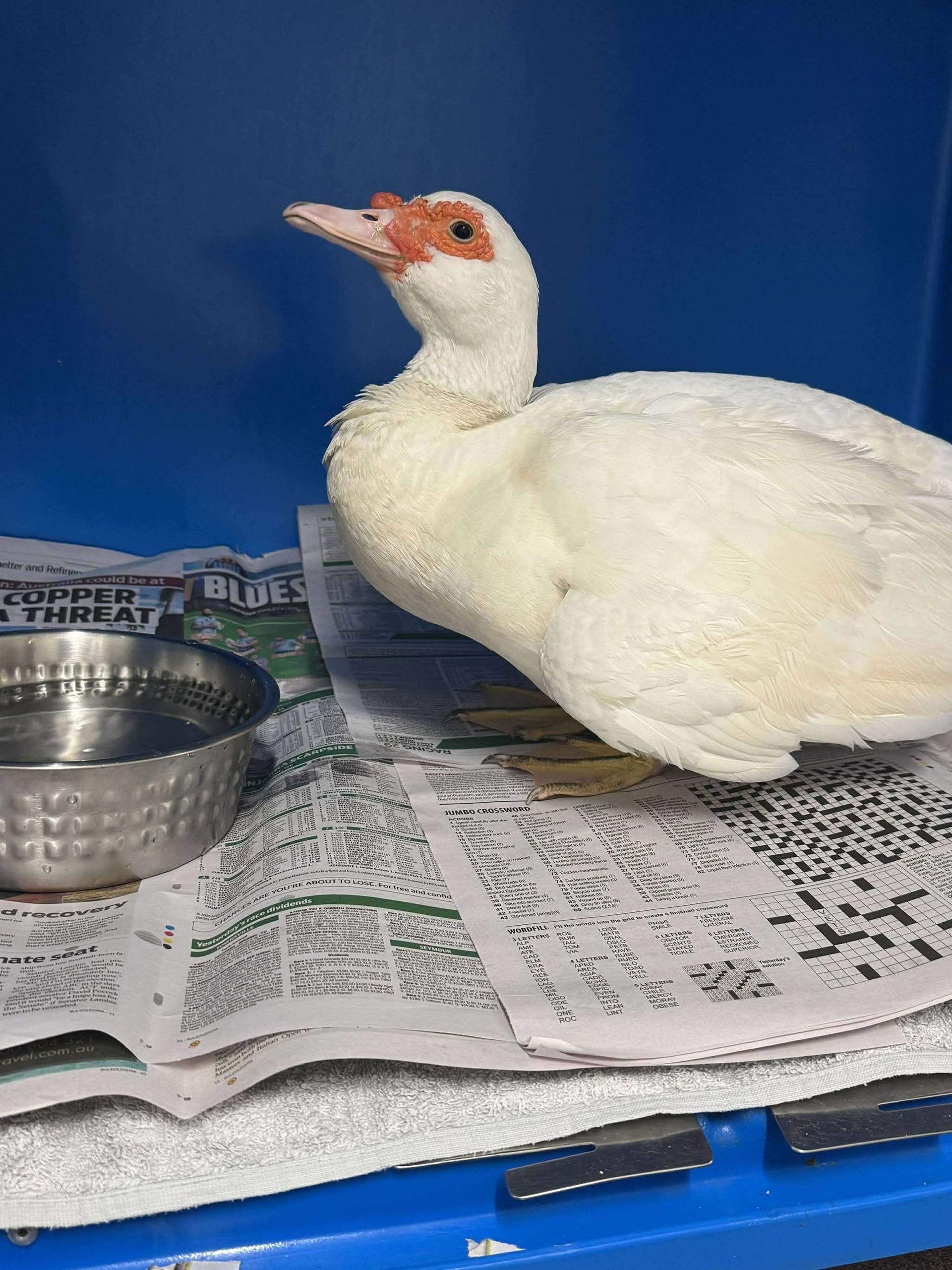
Birds require specialised veterinary attention because their respiratory systems, metabolism and nutritional needs differ significantly from mammals.
Veterinary examinations for birds may include weight monitoring, feather quality assessment and respiratory health evaluation. Dietary guidance is often provided because nutritional deficiency is a common cause of illness in captive birds.
Owners should observe their birds for signs such as reduced vocalisation, fluffed feathers, breathing difficulty or changes in eating behaviour. These symptoms may indicate underlying medical conditions requiring veterinary attention.
The clinic can assist with general bird health consultations as well as medical treatment for common avian conditions. Preventative veterinary care is important for maintaining long-term health in companion birds.
Reptile Veterinary Medicine & Husbandry Advice
Reptiles present unique medical challenges because their health is strongly influenced by environmental temperature, lighting and habitat conditions.
Veterinary consultations for reptiles often include assessment of enclosure setup, heat gradient regulation and ultraviolet lighting exposure. Inappropriate environmental conditions can lead to metabolic disorders, immune suppression and digestive complications.
Signs that a reptile may require medical attention include reduced appetite, unusual lethargy, swelling around joints, abnormal breathing or changes in skin shedding patterns.
Because reptiles may hide illness symptoms, routine veterinary monitoring is highly recommended for long-term health maintenance.
Wildlife Assessment & Rehabilitation Support
Native Wildlife Veterinary Care
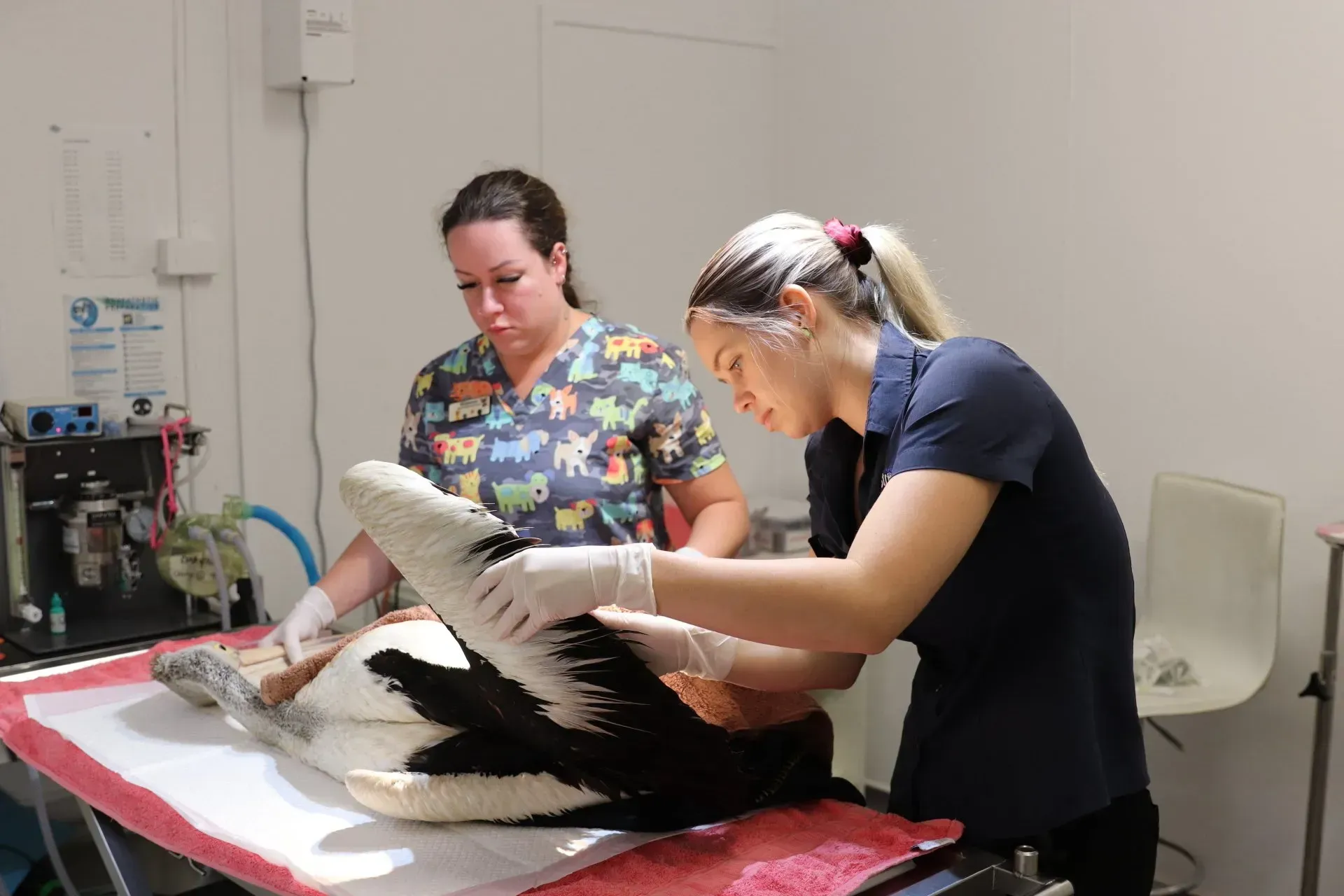
Wildlife animals sometimes require medical treatment following injury, environmental stress or human interaction. Veterinary assessment helps determine whether rehabilitation is possible or whether specialised wildlife care facilities are required.
The clinic can provide initial medical stabilisation and assessment for injured wildlife species. Treatment decisions are made based on animal welfare considerations and long-term survival prospects.
If you find injured native wildlife, it is important to minimise handling where possible and contact appropriate veterinary or wildlife care professionals for advice.
Nutritional Guidance & Environmental Health
Exotic animals are highly sensitive to dietary imbalance and habitat conditions. Veterinary consultations include guidance on appropriate feeding practices, enclosure enrichment and environmental maintenance.
Dietary requirements vary significantly between species. For example, herbivorous reptiles require different nutritional compositions compared to carnivorous species. Veterinary staff can help design feeding strategies that support immune function, growth and energy balance.
Environmental enrichment is also important for behavioural health. Animals kept in restrictive or poorly designed enclosures may develop stress-related health problems over time.
When to Seek Veterinary Care for Exotic Animals
Owners should arrange veterinary assessment if they notice any of the following signs:
Loss of appetite or refusal to eat
Difficulty breathing or abnormal respiratory sounds
Swelling, wounds or skin lesions
Changes in movement or coordination
Swollen eyes or discharge from the mouth or nostrils
Sudden behavioural changes
Because exotic animals may hide symptoms, even minor changes in behaviour should be taken seriously.
Exotic Animal & Wildlife Vet Care FAQs
Do all veterinarians treat exotic animals?
No. Only veterinarians with specific training and experience in exotic species medicine will treat certain animals such as reptiles, birds or wildlife.
How often should exotic pets have veterinary check-ups?
Many exotic animals benefit from annual health examinations, although some species may require more frequent monitoring depending on health risks.
What should I bring to an exotic pet consultation?
It is helpful to bring information about your animal’s diet, enclosure lighting, heating setup and feeding schedule.
Can wildlife animals be treated at the clinic?
The clinic can provide initial assessment and treatment for injured wildlife before determining appropriate rehabilitation or transfer options.
Why do exotic animals hide signs of illness?
Many exotic species naturally conceal illness as a survival mechanism in the wild, which is why regular veterinary monitoring is important.
Call (07) 4725 7691 to organise specialised care for your exotic pet today.