Experienced Veterinary Diagnostics & Surgical Care
Pet Surgery & Diagnostics
Hammett Street Veterinary Surgery, located in Currajong, QLD, and supporting pet owners across Townsville, QLD, provides professional veterinary surgery and diagnostic services for animals requiring routine procedures, medical investigation or emergency treatment. The surgical and diagnostic department is designed to deliver safe, carefully planned medical care using modern veterinary technology and clinically proven treatment methods.
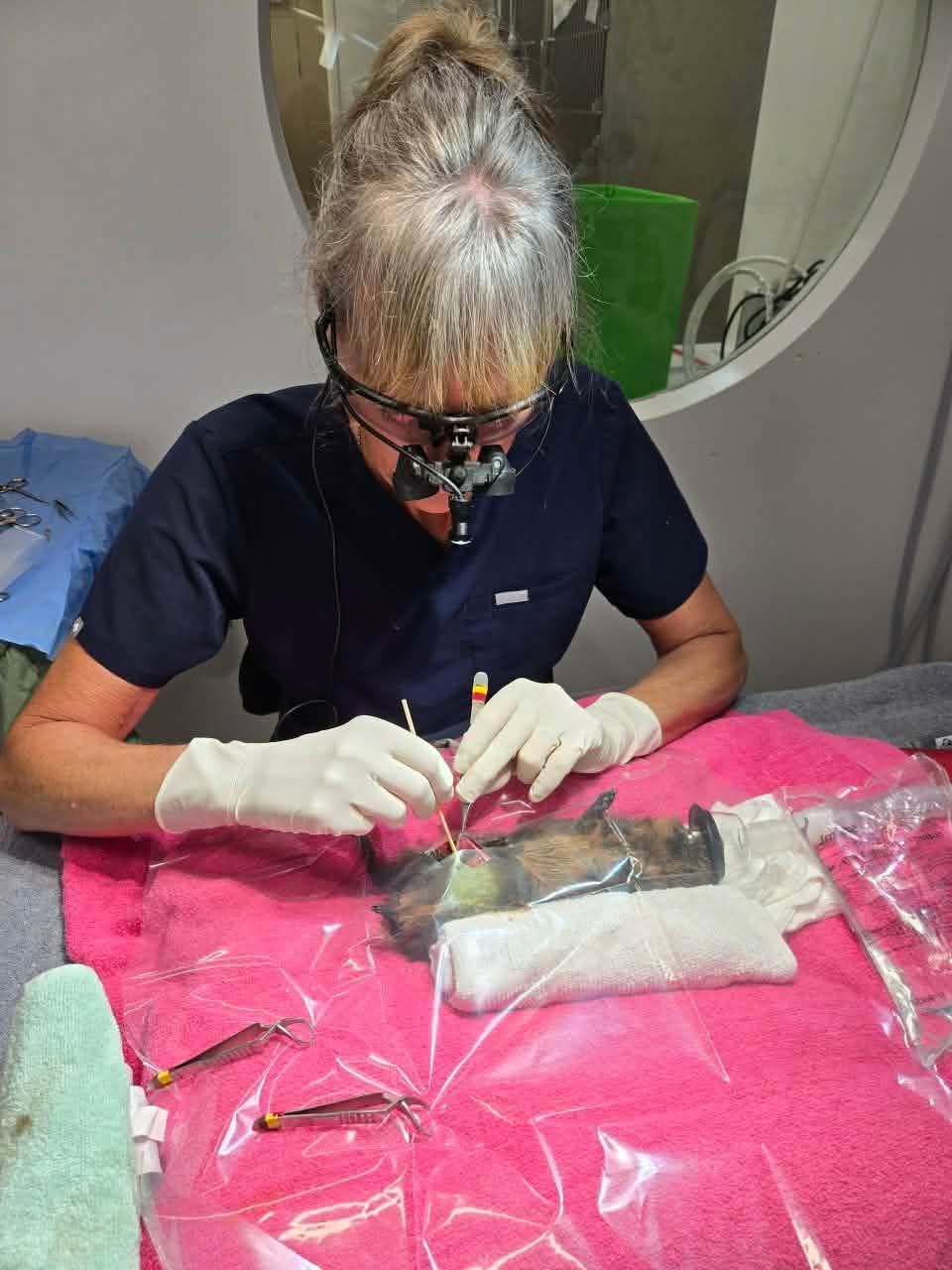
Veterinary surgery is often required when animals experience injuries, dental disease, growth abnormalities or internal medical conditions that cannot be treated through medication alone. The veterinary team focuses on patient safety, pain management and post-operative recovery planning to ensure animals receive comprehensive medical support before, during and after surgical procedures.
Surgical Procedures & Medical Operations
Routine Surgery & Preventative Procedures
Routine surgical procedures are commonly performed to prevent future health complications and improve quality of life for animals. These procedures are typically planned in advance and conducted under controlled medical conditions using appropriate anaesthetic protocols.
Desexing surgery is one of the most common preventative surgical procedures performed at the clinic. Desexing helps reduce unwanted breeding, decreases behavioural issues associated with mating instincts and lowers the risk of certain reproductive diseases later in life.
Dental surgery is another important preventative treatment. Poor dental hygiene can lead to periodontal disease, bacterial infections and pain that may affect eating behaviour. Veterinary dental procedures may include professional cleaning, tooth extraction and treatment of infected oral tissues.
Eye surgeries may also be performed to treat conditions such as eyelid abnormalities, tumours or damage caused by irritation. These procedures are carefully planned to protect vision and prevent further ocular complications.
Complex Surgery & Emergency Medical Treatment
In addition to routine procedures, the clinic is equipped to perform more complex surgical interventions when necessary. Complex surgery may be required to remove internal tumours, treat severe dental disease or repair traumatic injuries.
Emergency surgical treatment may be recommended if an animal suffers from serious physical trauma or life-threatening medical conditions. In these situations, veterinary staff prioritise rapid medical assessment and stabilisation before proceeding with surgical intervention.
Veterinarians regularly participate in professional development programmes and clinical training conferences to remain updated on modern surgical techniques and medical treatment protocols.
Diagnostic Services & Medical Testing
Digital X-rays & Internal Imaging
Diagnostic imaging plays a critical role in veterinary medicine because it allows clinicians to observe internal body structures without invasive procedures.
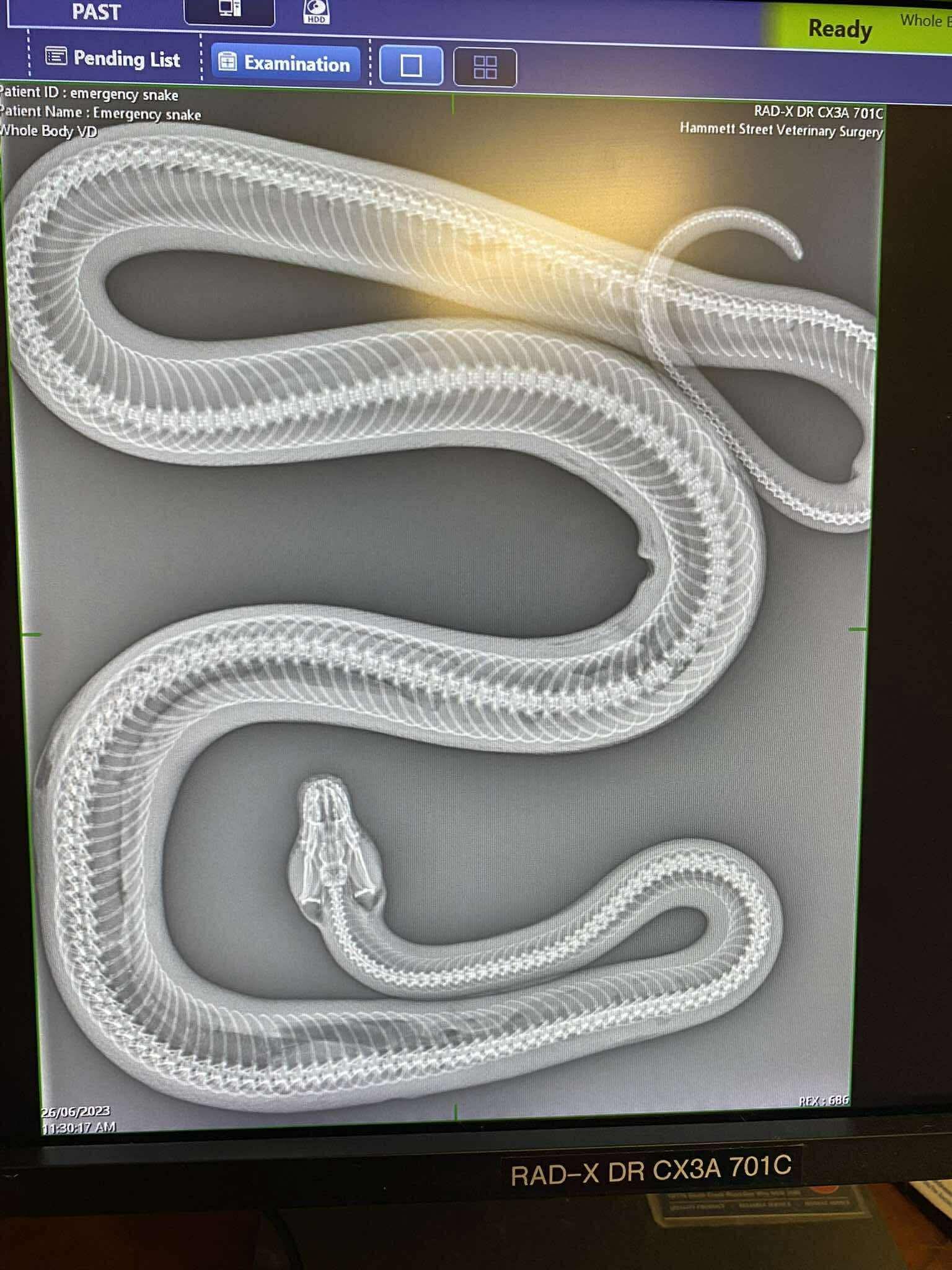
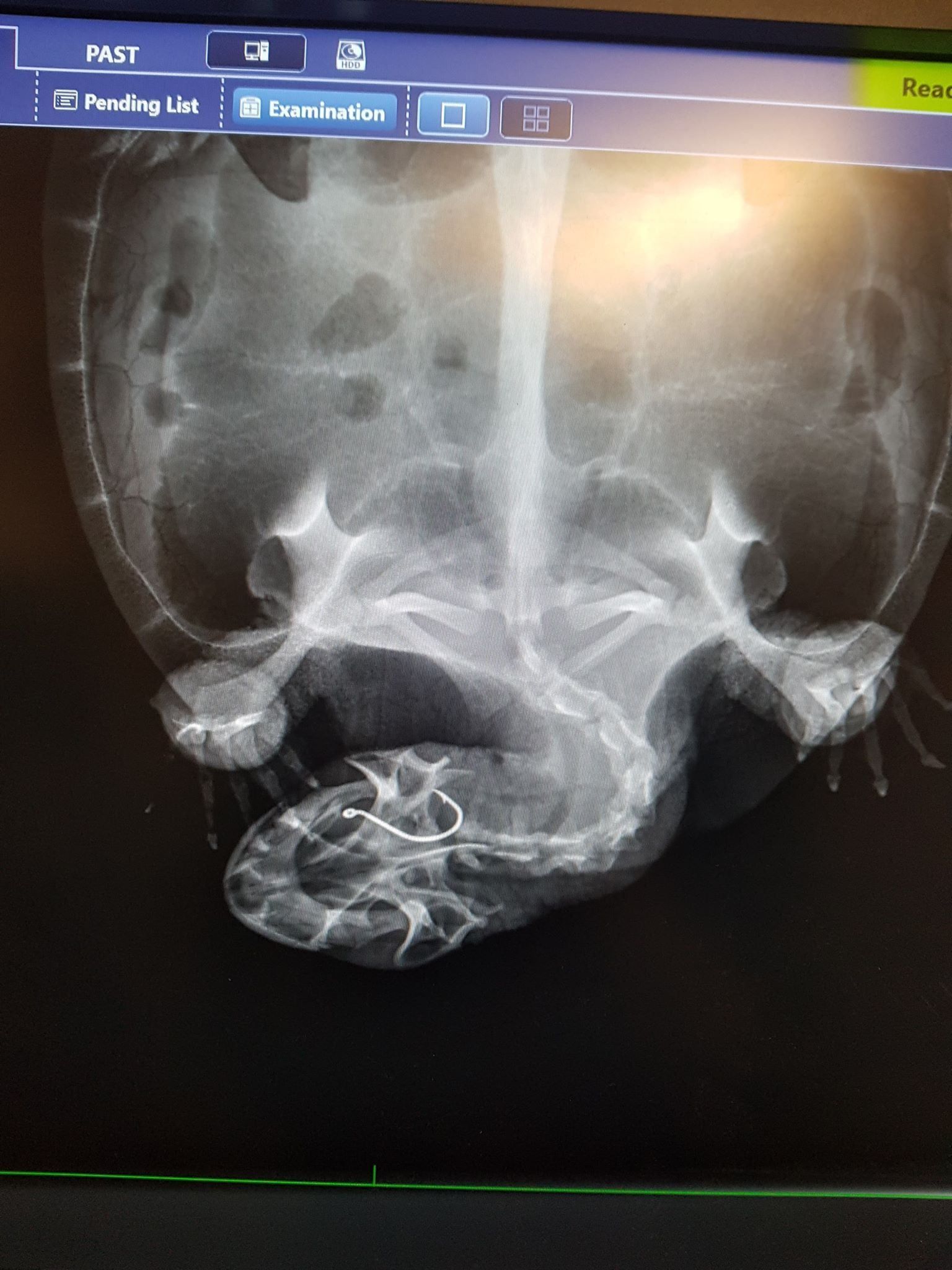
Digital X-ray technology is used to examine bones, joints, organs and soft tissues. This technology is particularly useful for diagnosing fractures, arthritis, lung conditions and abdominal abnormalities.
Radiographic imaging assists veterinarians in developing accurate treatment plans and determining whether surgery or medical therapy is the most appropriate option.
Ultrasound Examinations & Organ Health Assessment
Ultrasound imaging uses sound wave technology to create real-time visualisation of internal organs. This non-invasive diagnostic method allows veterinarians to assess heart function, liver health, kidney structure and reproductive organs.
Ultrasound examinations are often recommended when animals display symptoms such as vomiting, abdominal swelling or unexplained weight changes.
Because ultrasound does not involve radiation exposure, it is considered a safe diagnostic option for many animals.
Pathology Testing & Laboratory Diagnostics
Blood Testing & Disease Screening
Pathology testing allows veterinarians to evaluate an animal’s internal biological markers. Blood testing can detect infections, anaemia, organ dysfunction and metabolic disorders.
Early pathology screening is particularly important for senior animals or pets displaying behavioural or physical changes.
In-house laboratory facilities at the clinic allow many pathology results to be processed quickly, reducing diagnostic waiting times and supporting faster treatment decisions.
Urine, Faecal & Tissue Testing
Urine testing can help detect urinary tract infections, kidney disease and metabolic abnormalities. Faecal testing is commonly used to identify intestinal parasites and digestive disorders.
Biopsy procedures may be recommended when veterinarians need to analyse abnormal tissue growths. Tissue samples are examined for signs of inflammation, infection or cancerous development.
Anaesthesia Safety & Pain Management
Patient comfort and safety are top priorities during surgical treatment. Veterinary anaesthesia is carefully calculated based on the animal’s weight, age, species and medical condition.
Before surgery, pre-anaesthetic testing may be recommended to evaluate organ function and minimise medical risks. During surgery, animals are continuously monitored for heart rate, breathing patterns and blood oxygen levels.
Post-operative pain management is also provided using appropriate veterinary medications to ensure animals recover comfortably.
Post-Surgery Recovery & Owner Support
Recovery following surgery is an important stage of treatment. Pet owners are given detailed aftercare instructions covering wound management, medication schedules and activity restrictions.
Animals may need to wear protective collars to prevent wound interference during healing. Exercise may be limited for a specified period depending on the type of surgery performed.
Follow-up consultations may be scheduled to monitor healing progress and ensure there are no post-operative complications.
Diagnostics & Surgery FAQs
How do I prepare my pet for surgery?
Your veterinarian may recommend fasting your pet for a period before surgery to reduce anaesthetic risks. Detailed preparation instructions will be provided prior to the procedure.
Is anaesthesia safe for older animals?
Anaesthesia can be safely administered to senior animals after appropriate medical assessment. Pre-anaesthetic testing helps determine whether your pet is suitable for surgery.
How long does surgical recovery usually take?
Recovery time depends on the type of surgery performed and the individual animal’s health status. Minor procedures may heal within a few weeks, while complex surgeries may require longer recovery periods.
Will my pet experience pain after surgery?
Pain management medication is provided to help control discomfort during recovery. The veterinary team will discuss post-operative pain care with you.
What should I do if my pet’s wound looks abnormal?
If you notice swelling, bleeding, discharge or unusual behaviour following surgery, contact the clinic immediately for veterinary advice.
Call (07) 4725 7691 to book a consultation with one of our experienced veterinarians.